
14
Apr
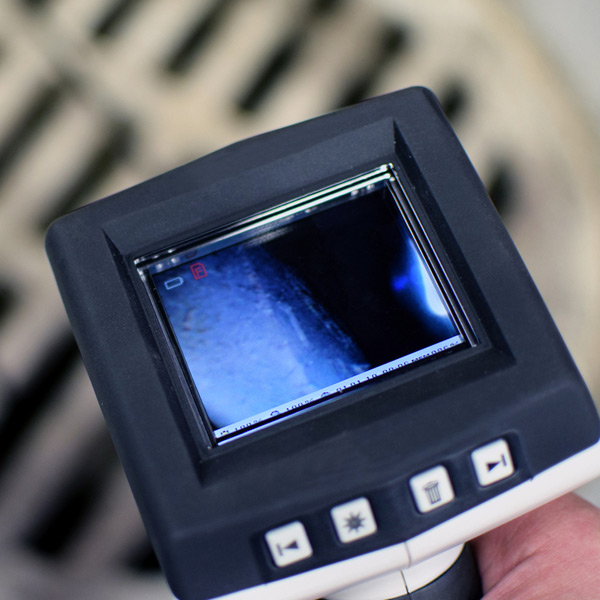
Seattle has some of the oldest residential sewer infrastructure on the West Coast, and the sewer line that runs from a home to the city main is almost always the homeowner’s responsibility once it crosses the property line. Based on our 30,000+ inspections across Northwest Washington, Titan Inspection Services has seen how often this single line item turns into the largest unexpected repair bill in a homebuyer’s first year of ownership. It is also one of the easiest problems to discover before closing — if the buyer knows to ask for a sewer scope.
This post explains what a sewer scope inspection is, why it matters disproportionately in Seattle, what our inspectors look for, how the findings should factor into your purchase decision, and what the repair picture actually looks like when something is found.
Why Seattle’s Sewer Lines Fail More Often Than You Think
Seattle’s housing stock skews old. Large portions of the city were built between 1900 and 1960, and the sewer lines (also called laterals) installed during that era were made from materials that are now well past their expected service life. The three most common legacy materials we encounter in Seattle homes are vitrified clay pipe, Orangeburg pipe, and cast iron.
Vitrified clay pipe was the standard residential sewer material in Seattle from the early 1900s through the 1950s. Clay is durable in ideal conditions, but it installs in short sections joined by rigid couplings that become vulnerable to root intrusion and ground movement over 80 to 120 years of service. In neighborhoods like Ballard, Wallingford, Queen Anne, and Capitol Hill, clay is what we find most often in pre-1960s homes.
Orangeburg pipe was used in the late 1940s and 1950s as a wartime material substitute. It is made from wood pulp and coal tar, and it degrades over time into a deformed, collapsed tube that cannot carry waste. If a Seattle home has Orangeburg, it is almost certainly failing. Homes in Laurelhurst, Magnolia, and View Ridge built in that era occasionally still have original Orangeburg sewer lines.
Cast iron was common from the 1950s through the 1970s. It corrodes from the inside over time, eventually developing scale buildup, cracking, and channeling along the bottom of the pipe. Many mid-century homes in Maple Leaf, Wedgwood, and Northgate still have cast iron lines nearing the end of their service life.
The common thread is that Seattle’s aging tree canopy — particularly the large deciduous trees planted in rights-of-way decades ago — puts enormous pressure on these older pipe materials. Roots find any small gap or crack and grow inside the line, eventually creating blockages and breaks that are invisible from the surface.
What a Sewer Scope Inspection Actually Involves
A sewer scope is a non-destructive video inspection of the sewer lateral performed by pushing a small camera on a flexible cable through the line from a cleanout or pulled toilet. The camera transmits real-time video while recording the full length of the sewer line from the house to the city main, typically covering 40 to 150 feet, depending on lot size and the location of the main.
The scope technician documents everything visible: pipe material, joint condition, offsets, bellies, cracks, root intrusion, channeling, and any standing water or blockages. A good sewer scope report includes video footage, timestamped observations, measurements of how far from the house each defect occurs, and clear photos of the most significant findings.
A sewer scope is typically ordered as a separate line item during the inspection contingency period. Titan performs sewer scope inspections in-house as part of our standard inspection workflow for Seattle-area buyers, so the scope can happen the same day as the main inspection and both reports are delivered together — giving buyers a complete picture of the home before the contingency window closes.
The Five Defects Our Sewer Scopes Find Most Often
Root intrusion. Tree roots exploit cracks and joint gaps, growing inside the pipe and eventually forming mats that trap waste and cause backups. Minor root intrusion can sometimes be cleared with hydro jetting. Severe root intrusion, especially in clay pipe, often means replacement is the only durable fix.
Bellies. A belly is a section of sagging pipe that retains standing water rather than draining completely. Bellies form when soil compaction changes or when pipe bedding was inadequate at installation. Small bellies can be monitored. Deep bellies cause repeated blockages and often require spot repair or replacement of the affected section.
Offset joints. When pipe sections separate or misalign, waste catches on the offset edge, and solids accumulate. Offsets are common in clay pipe that has shifted with ground movement and in neighborhoods with expansive soils. Offsets accelerate root intrusion because the separated joint creates an entry point.
Cracked or collapsed pipe. Pipe that has cracked fully through — or in the case of Orangeburg, deformed inward — cannot function reliably. Collapsed sections typically require immediate excavation or trenchless replacement.
Channeling in cast iron. Cast iron corrodes unevenly, developing a trough along the bottom of the pipe where flow is concentrated. Once channeling progresses through the pipe wall, the sewer line is essentially leaking into the surrounding soil. Repair is replacement, not patching, which is costly.
What Repairs Actually Cost in Seattle
Sewer line repair costs in Seattle vary dramatically depending on the method used and the length of the problem area. Spot repairs for a short section of failed pipe typically run $3,000 to $8,000 when the excavation is shallow and accessible. Full line replacement using traditional open-trench methods ranges from $10,000 to $25,000, depending on depth, length, and whether the line crosses a sidewalk, driveway, or right-of-way.
Trenchless methods — pipe bursting and cured-in-place pipe lining — can significantly reduce surface disruption. Pipe bursting costs $100 to $200 per linear foot and works by pulling a new pipe through the old one while simultaneously breaking the old pipe outward. Cured-in-place lining costs $80 to $250 per linear foot and creates a new pipe inside the old one using an epoxy-saturated liner. Both methods preserve landscaping and hardscape that would otherwise be destroyed by open trench work.
Permits, inspections, and traffic control add to the total. If the failed section extends into the public right-of-way, Seattle Public Utilities becomes involved and the project timeline and cost both increase.
Brian Dodds, owner of Titan Inspection Services, walked through a real sewer scope find from a Ballard inspection that caught a major root intrusion before closing. Watch the video here: Watch Brian’s video on this: New Construction – Break in the Sewer Line.
How Sewer Scope Findings Should Factor Into Your Offer
A sewer scope that reveals significant defects is one of the strongest negotiation tools a buyer has during the inspection contingency period. The findings are objective, video-documented, and tied to quantifiable repair costs. In our experience, Seattle sellers typically respond to documented sewer issues in one of three ways: repair the defect before closing, credit the buyer for the repair cost at closing, or reduce the purchase price. Which option the seller chooses often depends on competing offers and how far along the transaction is.
Buyers should not assume a failing sewer line is a deal-breaker. Trenchless repair methods make most sewer replacements manageable, and knowing about the issue before closing means the buyer controls the timing and the contractor selection, rather than discovering the problem three months later with a backup before sitting down to a holiday dinner. Walking away is always an option, but many buyers choose to proceed with a credit that covers the repair cost.
When to Add a Sewer Scope to Your Seattle Inspection
When a Seattle-area home has the conditions that typically warrant a closer look at the sewer line — pre-1980 construction, mature trees within 20 feet of the likely sewer line path, visible legacy pipe material at the cleanout, or a neighborhood with known aging infrastructure — we recommend pairing the home inspection with a sewer scope. Because Titan performs sewer scopes in-house, buyers can add one when they book the home inspection, both services run the same day, and the reports are delivered together within the contingency window.
For homes built before 1980 in Seattle — and for any home with mature trees within 20 feet of the suspected sewer line path — we recommend a sewer scope in nearly every case. At $250 as a standalone service — or $200 when bundled with a home inspection — the cost is minor compared to the potential repair bill, and the peace of mind is substantial.
Frequently Asked Questions
How much does a sewer scope inspection cost in Seattle?
Titan charges $250 for a standalone sewer scope and $200 when the scope is bundled with a home inspection. The inspection includes video documentation, a written report with timestamps, and a recommendation on whether any findings warrant further action.
Do I need a sewer scope on a newer home?
Homes built after 1980 in Seattle generally have PVC or ABS plastic sewer lines, which are not prone to the same root intrusion and deterioration problems as clay, Orangeburg, or cast iron. However, a sewer scope can still reveal installation defects, bellies from soil settlement, and blockages from construction debris or flushed materials. For newer homes without mature trees nearby, a scope is optional. For newer homes on lots with established tree canopies, it is still worth considering.
Who pays for sewer repairs found during inspection?
Sewer repair responsibility is a negotiation item between buyer and seller during the inspection contingency period. Washington state real estate contracts do not automatically assign sewer repairs to either party, so the outcome depends on what the buyer requests and what the seller agrees to. Documented sewer scope findings — video and written reports — give buyers strong leverage to request repairs, credits, or price reductions.
What is the difference between the house side and the city side of a sewer line?
The sewer line runs from the house to the city main. The homeowner is responsible for the line from the house to the property line, and in Seattle, the homeowner is also responsible for the section that runs from the property line to the city main within the public right-of-way. This means Seattle homeowners bear more liability for sewer repairs than homeowners in many other cities, making pre-purchase scopes even more valuable here.
Can a sewer scope be performed if the home is vacant and utilities are off?
Yes. Sewer scopes do not require active water service to the home. The scope technician pushes the camera through the lateral from an accessible cleanout or through a pulled toilet, and the inspection works regardless of whether water or gas service is active at the time.
Get Your Seattle Home Sewer Scope Scheduled
If you are under contract on a Seattle-area home — especially one built before 1980 or located on a lot with mature trees — a sewer scope inspection is one of the highest-value inspection add-ons you can order during your contingency period. Titan performs sewer scopes in-house as an add-on to our standard home inspections, so you get a complete picture of the property before your contingency expires.
Call Titan Inspection Services at (206) 451-1120 or visit titaninspectionservices.com to schedule your inspection and sewer scope today.