10
Oct
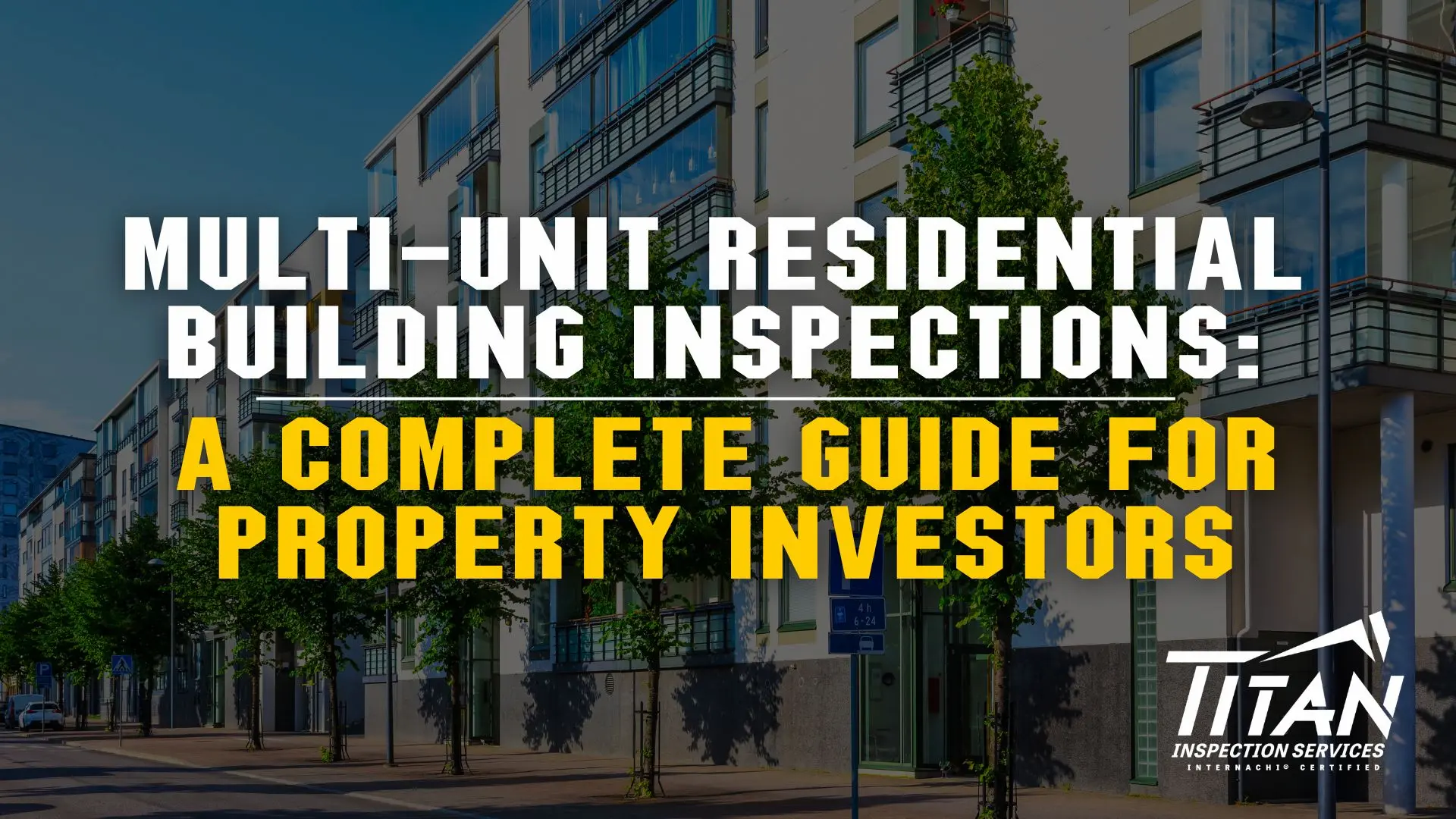
Investing in multi-unit residential properties—whether duplexes in Tacoma, apartment buildings in Seattle, or condominium complexes in Bellevue—represents one of the most significant financial commitments you can make in real estate. Unlike single-family home purchases, multi-unit residential inspections require specialized expertise to evaluate complex shared systems, individual unit conditions, common areas, and the unique regulatory requirements that govern multi-tenant properties throughout Northwest Washington.
At Titan Inspection Services, we’ve completed over 30,000 inspections across Northwest Washington, including comprehensive evaluations of multi-unit residential properties throughout the greater Seattle area. Based in Maple Valley and serving investors throughout the region, our certified team understands the unique challenges that multi-unit properties present, from shared utility systems and common area maintenance to tenant safety requirements and HOA compliance issues.
Multi-unit residential properties offer excellent investment opportunities but also present distinct risks that single-family properties don’t face. Professional inspection helps identify these risks before purchase, providing the information necessary to make informed investment decisions and plan for ongoing property management success.
Understanding Multi-Unit Residential Property Types
Duplexes and Triplexes
Small multi-unit properties like duplexes and triplexes often function similarly to single-family homes but with additional complexity due to shared walls, utilities, and potential tenant considerations. These properties may have separate utility meters for each unit or shared systems that require careful evaluation.
Inspection focuses on the condition of individual units, shared building envelope, foundation systems that support multiple units, and utility systems serving each rental space. Fire separation requirements between units receive particular attention since code violations could create liability issues and expensive retrofit requirements.
Apartment Buildings
Larger apartment buildings present significantly more complex inspection challenges, including evaluation of central HVAC systems, shared electrical and plumbing systems, common areas, and life safety systems required for multi-story residential occupancy.
These properties often feature centralized building systems that serve multiple units, requiring specialized knowledge to evaluate capacity, condition, and maintenance requirements. Emergency egress systems, fire safety equipment, and accessibility compliance become critical inspection components.
Condominium Buildings
Condominium inspections require understanding the distinction between individual unit components and building-wide systems typically maintained by homeowners associations. Inspection scope depends on what specific units or common areas are being evaluated as part of the purchase.
Shared building systems, exterior maintenance responsibilities, and common area conditions all impact the desirability and ongoing costs of condominium ownership, making thorough evaluation essential for informed purchase decisions.
Townhome Communities
Townhome properties combine elements of single-family ownership with shared building components and community maintenance responsibilities. These properties often share walls, roofing systems, or other building components while maintaining individual ownership of specific units.
Inspection must address both individual unit conditions and shared building components that could affect multiple owners, including evaluation of HOA maintenance responsibilities and potential special assessments for building-wide repairs.
Key Components of Multi-Unit Residential Inspections
Building Envelope and Structural Systems
Multi-unit residential buildings require comprehensive evaluation of structural systems supporting multiple dwelling units, including foundations designed for higher occupancy loads and shared wall systems between units.
Building envelope inspection covers roofing systems that may serve multiple units, exterior siding and weatherproofing protecting multiple families, and window and door systems throughout the building. Any envelope problems can affect multiple tenants and result in expensive building-wide repairs.
Structural evaluation includes load-bearing elements supporting multiple floors and occupants, foundation systems adequate for multi-unit loads, and any shared structural components that could affect building stability and habitability.
Shared Utility Systems
Many multi-unit properties feature shared utility systems that require specialized evaluation. Central heating and cooling systems, shared electrical panels, and common plumbing systems all present different inspection challenges than single-family residential systems.
Water supply systems serving multiple units require evaluation for adequate pressure and capacity to serve all occupants simultaneously. Shared hot water systems, when present, need assessment for capacity and efficiency to meet multi-unit demands.
Electrical systems may include individual unit panels fed from shared electrical services, requiring evaluation of total building capacity and individual unit adequacy. Emergency electrical systems and common area lighting also require attention.
Fire Safety and Life Safety Systems
Multi-unit residential properties face strict fire safety requirements including proper fire separation between units, emergency egress from all dwelling spaces, and often sophisticated fire alarm and suppression systems.
Fire separation inspection evaluates walls, floors, and other barriers designed to prevent fire spread between units. Compromised fire separation can create liability issues and require expensive retrofitting to meet current codes.
Emergency egress evaluation ensures that all units have proper emergency exits and that common area egress meets requirements for building occupancy. Inadequate egress can prevent rental of units and create liability concerns.
Common Areas and Amenities
Shared spaces like lobbies, hallways, laundry facilities, and recreational amenities require evaluation for safety, accessibility, and maintenance needs. These areas impact tenant satisfaction and property marketability while representing ongoing maintenance responsibilities.
Accessibility compliance in common areas affects the entire property’s legal compliance and marketability. Non-compliant common areas can trigger expensive retrofitting requirements and potential legal issues.
Amenity areas like fitness centers, community rooms, or outdoor spaces require evaluation for safety, functionality, and maintenance requirements that impact operating costs and tenant appeal.
Northwest Washington Multi-Unit Market Considerations
Seattle Metropolitan Area Properties
The Seattle area’s diverse multi-unit market includes everything from vintage apartment buildings in neighborhoods like Capitol Hill and Ballard to modern condominium towers in South Lake Union and Bellevue. Each property type and location presents unique inspection considerations.
Older Seattle area multi-unit buildings may have shared utility systems, vintage electrical and plumbing installations, and potential code compliance issues that require specialized evaluation. These properties often offer character and location advantages but may require significant ongoing maintenance investment.
Modern multi-unit developments typically feature sophisticated building systems but may have construction defects or warranty issues that professional inspection can identify during the purchase process.
Tacoma and South Sound Properties
Tacoma’s multi-unit market includes both urban apartment buildings and suburban townhome communities, each requiring different inspection approaches. Properties in established Tacoma neighborhoods may have different utility configurations and building characteristics than newer suburban developments.
Proximity to industrial areas, soil conditions specific to the South Sound region, and local building practices all influence inspection priorities for Tacoma area multi-unit properties.
Eastside Communities
Bellevue, Redmond, and other Eastside communities feature significant multi-unit residential development ranging from luxury condominium towers to family-oriented townhome communities. These properties often feature modern building systems but may have higher maintenance standards and HOA requirements.
Technology industry growth in Eastside communities has created demand for high-end multi-unit properties with sophisticated building amenities and systems that require specialized evaluation expertise.
Investment Analysis Through Professional Inspection
Operating Cost Assessment
Multi-unit residential inspections provide crucial information for analyzing ongoing operating costs including utility expenses, maintenance requirements, and capital improvement needs. Understanding these costs is essential for accurate investment analysis and rent setting.
Shared building systems can create economies of scale but also represent concentrated risk if major systems fail. Professional inspection helps identify systems nearing replacement and plan for capital expenditures.
Energy efficiency evaluation helps predict utility costs in properties where owners pay for shared utilities like common area lighting, heating, or water heating systems.
Rental Income Optimization
Inspection findings help identify improvements that could increase rental income or reduce vacancy rates. Unit condition assessments help determine appropriate rent levels and identify upgrades that could justify higher rents.
Common area conditions significantly impact tenant satisfaction and retention. Inspection helps prioritize improvements that enhance property appeal and support higher occupancy rates.
Safety and code compliance issues identified during inspection must be addressed to maintain legal rental status and avoid liability issues that could impact rental income.
Capital Improvement Planning
Detailed inspection reports help develop long-term capital improvement plans essential for successful multi-unit property ownership. Understanding the remaining useful life of major building systems helps budget for future expenses and maintain property value.
Building envelope maintenance requirements, major system replacement schedules, and accessibility improvement needs all require planning and budgeting that inspection findings support.
Regulatory Compliance and Legal Considerations
Housing Code Compliance
Multi-unit residential properties must comply with local housing codes that often exceed single-family residential requirements. These codes address habitability standards, safety requirements, and maintenance obligations that property owners must meet.
Inspection identifies code violations that must be corrected to maintain legal rental status and avoid penalties or legal issues. Some violations can prevent rental of units until corrected, directly impacting investment returns.
Accessibility Requirements
The Fair Housing Act and Americans with Disabilities Act establish accessibility requirements for many multi-unit residential properties. Compliance requirements depend on property size, construction date, and other factors that inspection helps clarify.
Non-compliance can result in expensive retrofitting requirements and legal liability. Early identification of accessibility issues helps plan for compliance improvements and avoid legal problems.
Tenant Safety Obligations
Property owners have legal obligations to provide safe housing for tenants including properly functioning safety systems, secure building access, and maintenance of common areas. Inspection identifies safety issues that create legal liability.
Lead paint disclosure requirements, smoke detector regulations, and other tenant safety requirements vary by jurisdiction and property type. Professional inspection helps ensure compliance with applicable regulations.
Technology and Specialized Equipment
Thermal Imaging for Multi-Unit Properties
Thermal imaging technology provides exceptional value in multi-unit residential inspections by identifying insulation problems, moisture intrusion, and electrical issues that could affect multiple units or create building-wide problems.
Shared wall systems, complex roofing configurations, and multi-story building envelopes benefit from thermal imaging evaluation that can detect problems not visible during traditional visual inspection.
Moisture Detection Systems
Multi-unit buildings face increased moisture risks due to multiple occupants, shared plumbing systems, and complex building envelopes. Advanced moisture detection helps identify water intrusion problems before they cause expensive damage.
Shared utility areas, basement or crawl spaces, and complex roofing systems common in multi-unit properties benefit from specialized moisture evaluation techniques.
Electrical Load Analysis
Multi-unit properties require electrical systems adequate for multiple households, often with shared electrical services and complex distribution systems. Specialized electrical testing helps ensure adequate capacity and identify safety issues.
Older multi-unit buildings may have electrical modifications or additions that create safety concerns or code violations requiring professional evaluation with specialized equipment.
Financing and Insurance Considerations
Lender Requirements
Multi-unit residential properties often face more stringent inspection requirements from lenders compared to single-family residential financing. Commercial lenders may require specialized inspection reports addressing investment property concerns.
Professional inspection reports provide documentation often required for investment property financing and help support loan underwriting for multi-unit residential purchases.
Insurance Implications
Multi-unit residential properties require specialized insurance coverage that often depends on property condition and safety features. Inspection findings can significantly impact insurance availability and rates.
Life safety systems, building condition, and code compliance issues identified during inspection affect insurance risk assessment and coverage costs for multi-unit residential properties.
Frequently Asked Questions – Multi-Unit Residential Building Inspections
What’s included in a multi-unit residential building inspection?
Multi-unit residential inspections cover all accessible building systems including structural components, shared utilities, individual unit conditions, common areas, life safety systems, and accessibility compliance features. The scope depends on what portions of the property are being purchased and may include both individual units and building-wide systems that serve multiple tenants.
How much does a multi-unit residential inspection cost?
Inspection costs vary significantly based on building size, number of units, age, and complexity. Costs typically range from $800-$2,000 for small multi-unit properties up to $5,000-$15,000 or more for large apartment buildings. At Titan Inspection Services, we provide detailed quotes based on your specific property. Call (206) 451-1120 for pricing on your multi-unit residential property.
Should I inspect every unit in a multi-unit building?
This depends on your purchase agreement and investment strategy. For smaller properties, inspecting all units provides comprehensive information about individual unit conditions. For larger buildings, sampling representative units plus common areas and building systems may be more practical and cost-effective while still providing valuable investment information.
How long does a multi-unit residential inspection take?
Inspection duration depends on building size and scope of evaluation. Small duplexes or triplexes might take 4-6 hours, while larger apartment buildings could require multiple days for comprehensive evaluation. We coordinate timing to minimize disruption to existing tenants while ensuring thorough evaluation.
What are the most common problems found in multi-unit residential buildings?
Common issues include deferred maintenance on building systems, code compliance problems, shared utility system inadequacies, fire safety deficiencies, and accessibility non-compliance. Older buildings often have electrical or plumbing systems that need updating, while newer construction may have warranty-related issues or installation defects.
Do you coordinate with tenants for occupied unit inspections?
Yes, we work with property owners and tenants to schedule inspections that minimize disruption while ensuring thorough evaluation. We understand tenant rights and privacy requirements and coordinate access professionally and respectfully.
How do inspection findings affect my investment analysis?
Inspection findings provide crucial information for accurate investment analysis including operating cost projections, capital improvement planning, and rental income optimization. Major system conditions help predict future expenses, while unit conditions affect rent potential and tenant satisfaction.
About Titan Inspection Services
Titan Inspection Services is a trusted inspection company based in Maple Valley, Washington, proudly serving 10 counties across Northwest Washington including multi-unit residential properties throughout the greater Seattle area. With over 30,000 inspections completed and 2,600+ five-star reviews, our team has established relationships with real estate professionals, property investors, and property management companies throughout the region.
While our foundation was built on single-family residential inspections, our certified team brings the same commitment to excellence and local expertise to multi-unit residential property evaluations. We understand the unique challenges that multi-unit properties present, from complex shared building systems to regulatory compliance requirements that differ significantly from single-family residential properties.
What distinguishes Titan is our commitment to investor education and practical evaluation approaches. We don’t just identify problems—we help property investors understand their investments, plan for ongoing maintenance requirements, and make informed decisions about multi-unit residential property purchases and management.
Our team uses modern diagnostic equipment including thermal imaging cameras and specialized testing equipment to provide comprehensive evaluations that go beyond traditional visual inspection methods. We understand that multi-unit residential inspections often require coordination with tenants and property managers, and we work professionally to minimize disruption while ensuring thorough evaluation.
Licensed, insured, and committed to investor success, Titan Inspection Services continues to expand our expertise in multi-unit residential property evaluation while maintaining the customer-first approach that has made us a preferred choice for property inspections throughout Northwest Washington.
Investment Success Through Professional Inspection
Multi-unit residential property investment offers excellent opportunities for building wealth through rental income and property appreciation, but success requires thorough understanding of property conditions, maintenance requirements, and potential risks. Professional inspection provides the foundation for confident investment decisions and successful property management.
Northwest Washington’s multi-unit residential market offers diverse opportunities, from urban apartment buildings to suburban townhome communities. Understanding the condition and requirements of any multi-unit property helps ensure that your investment supports rather than undermines your financial objectives.
Our comprehensive inspection approach helps investors understand both immediate concerns and long-term considerations that affect investment success. From building system conditions to regulatory compliance issues, we provide the information necessary for informed multi-unit residential property investment decisions.
Ready to Protect Your Multi-Unit Residential Investment?
Don’t let the complexity of multi-unit residential properties prevent you from getting the detailed property information essential for successful investment. Professional inspection provides the knowledge necessary for confident decision-making in multi-unit residential property acquisition and management.
Our certified team is available seven days a week with scheduling typically available within 1-3 days for most multi-unit residential properties. We understand that multi-unit property transactions often operate on tight timelines, and our responsive service helps keep your acquisition process on track.
Call (206) 451-1120 to schedule your comprehensive multi-unit residential inspection today. As experienced professionals who have completed thousands of inspections throughout Northwest Washington, we’re committed to providing the detailed evaluation and investment-focused expertise that protects your multi-unit residential property investment.
Serving Seattle, Tacoma, Bellevue, and all of Northwest Washington with professional multi-unit residential inspection services, investor-focused reporting, and the local expertise that comes from over 30,000 completed inspections.